
Continuous Casting Machine
Continuous casting machine is professional continuous casting equipment that converts molten steel into solid steel billets directly.
- Machine Type
- All Integrated machine
- Capacity
- 3T-50T
- Host flow
- one-flow, two-flow, multi-flow
- Work station
- No need
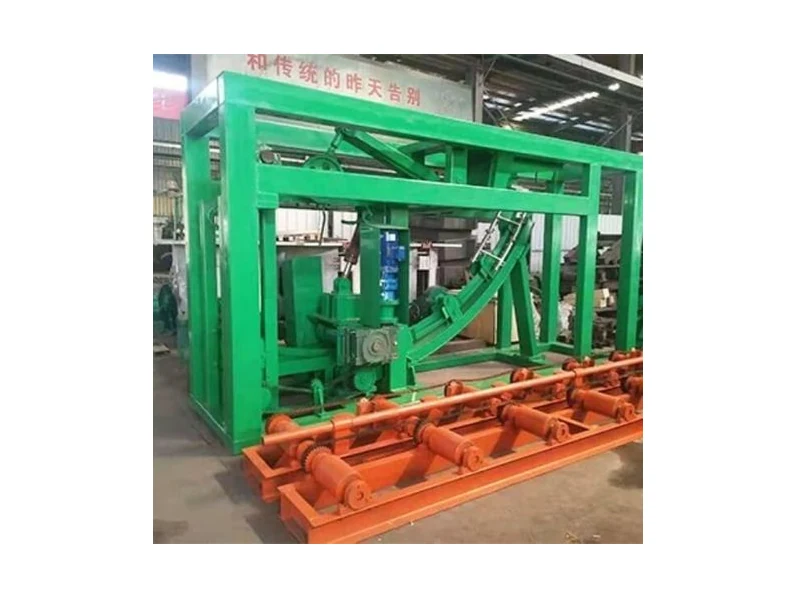
How it works
It is mainly suitable for carbon steel, alloy steel, stainless steel and other ferrous metals. Widely used in steel plants, foundries, metal smelting factories and steel recycling enterprises. It is the core equipment for continuous billet production, supporting mass and standardized steel profile manufacturing.
Continuous casting turns molten metal into a solid semi-finished shape in one uninterrupted step. Metal is poured into a cooled mould, a skin forms, and the strand is withdrawn at a rate matched to the casting temperature, so the solidification front stays in the same place in the mould. The result is a billet, ingot or rod with consistent structure instead of a series of individual ingots.
Rolling follows casting when the product needs a smaller section. The cast strand is reduced through successive stands while it is still hot enough to deform, which is why the caster and the mill are specified together: the casting rate has to feed the mill, and the reduction schedule has to match the section the caster can produce.
Key features
- Fully automatic operation, reduce labor input and boost output efficiency
- Stable casting process, uniform billet structure and high finished product quality
- Compact overall structure, easy installation and daily maintenance
- Energy-saving design, low operation cost and environmental friendly
- Strong adaptability, customizable specifications for different steel billets
- Complete safety protection system, stable and long-term continuous operation
How to choose casting and rolling
- Define the finished product first — ingot weight, billet section or rod diameter — and derive the casting rate from it.
- Match casting speed to melting capacity. A caster that outruns the furnace idles; one that is slower than the furnace builds a queue of molten metal.
- Confirm the cooling water demand; secondary cooling is the constraint on casting speed in most installations.
- Decide how much of the line you are buying: casting only, casting plus rolling, or casting with the auxiliary heating, drying and cooling equipment specified alongside it.
Technical data
| Machine Type | All Integrated machine |
|---|---|
| Capacity | 3T-50T |
| Host flow | one-flow, two-flow, multi-flow |
| Work station | No need |
| Steel billet size | Adjustable |
| Cutting methods | manual, mechanical, and flame cutting |
| Main Parameter | R2.25M | R4M | R5.25M | R6M |
|---|---|---|---|---|
| Billet Size | 60-80 square | 90-150 square | 90-180 square | 90-220 square |
| Production Capacity | 4-8T/Hour/ Flow | 8-20T/Hour/Flow | 8-30T/Hour/Flow | 8-50T/Hour/Flow |
| Workshop Lifting height | 6M | 9M | 9-12M | 9-12M |
Specifications are indicative for the model family and are confirmed against your material in the quotation. Wear parts, power supply and control options are listed per project.
Frequently asked questions
What capacity does the Continuous Casting Machine handle?
3T-50T. Throughput depends on the material, its bulk density and how evenly the machine is fed, so the figure is confirmed against your material in the quotation.
Which models of the continuous casting machine are available?
3 configurations are listed on this page: Billet Size, Production Capacity, Workshop Lifting height. The right one is set by the throughput you need and the largest piece you will feed.
How do I get a price for the Continuous Casting Machine?
There is no list price — every unit is configured to the material first, because the drive, chamber or coil changes with it. Send the material you process, the throughput you need per hour and the destination port, and the quotation is built on those three.
What is continuous casting and why use it instead of ingot casting?
In continuous casting, molten metal is poured through a cooled mould and withdrawn as a continuous strand, so solidification happens once and in a controlled place. Compared with casting individual ingots, it gives a more uniform structure, less crop loss and a shape that feeds a rolling mill directly.
How is casting speed determined?
By the balance between pouring temperature, mould cooling and secondary cooling: the strand must be solid enough at the withdrawal point to hold its shape. Practical casting speed is therefore set with the melting supply and the cooling system in view, not chosen independently.
Often specified together
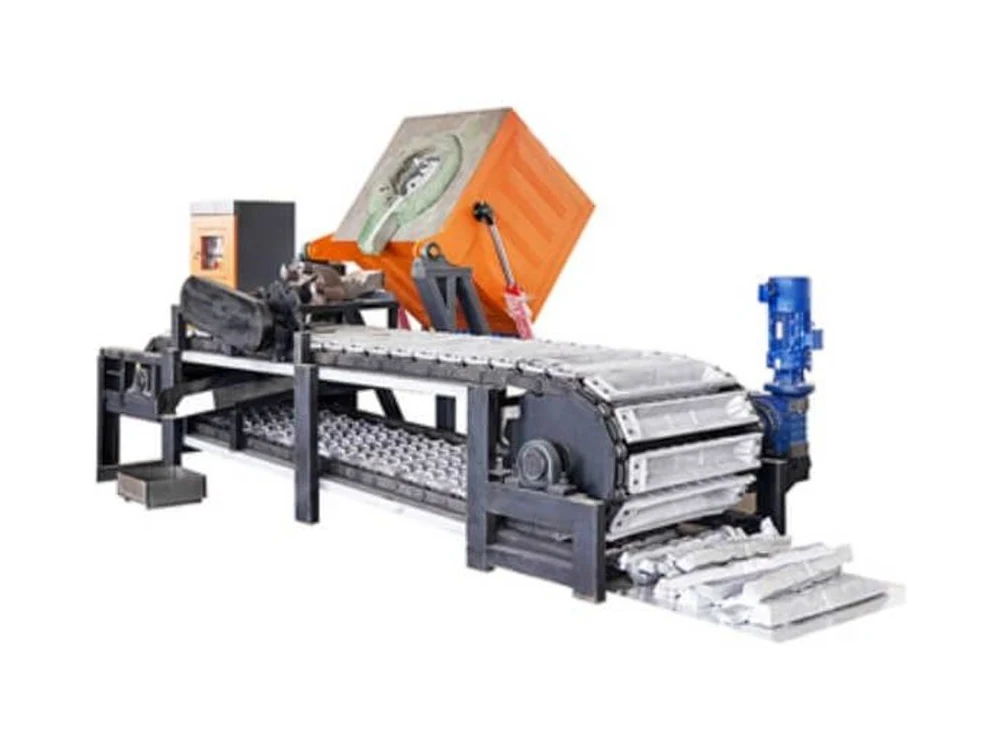
Aluminum & Copper Ingot Casting Line
Aluminum & copper ingot continuous casting line is professional non-ferrous metal smelting and forming equipment.
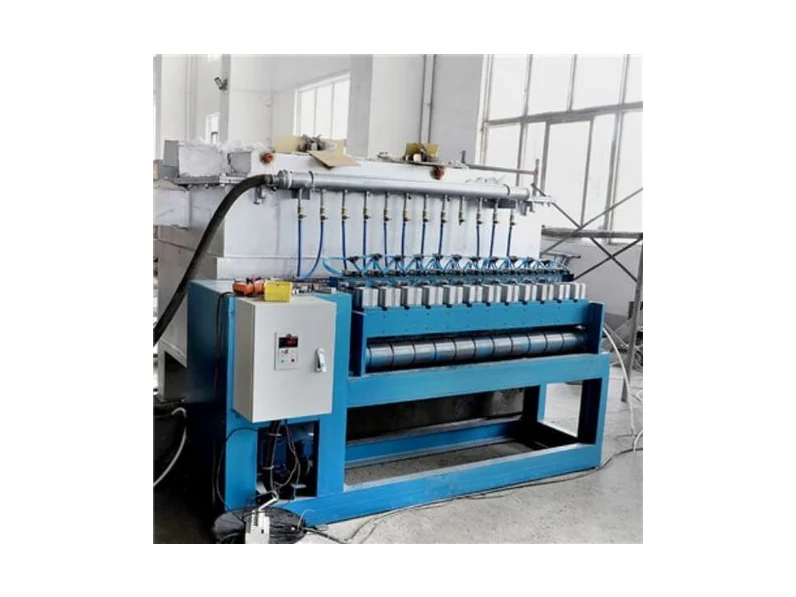
Aluminum Rod Continuous Casting Machine
Aluminum rod horizontal continuous casting equipment is built for continuous production of aluminum and aluminum alloy rod stock.
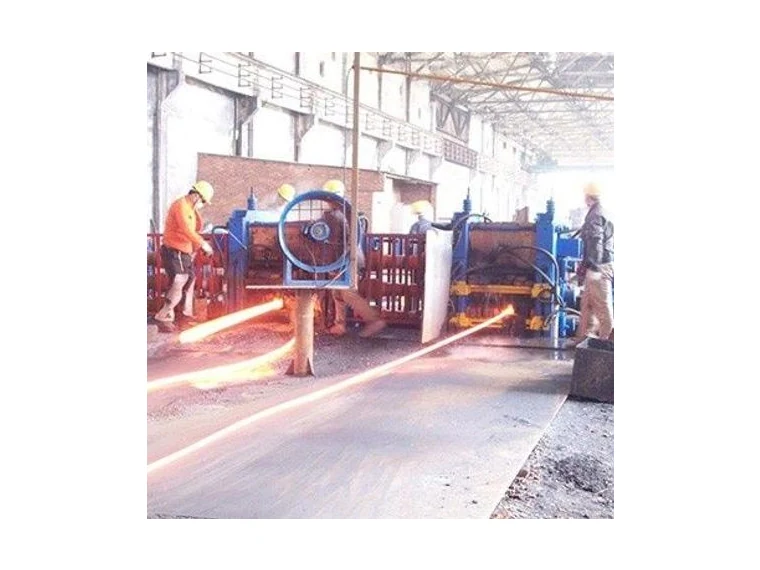
Mini Rolling Mill Production Line
Mini rolling mill production line is a compact, cost-effective rolling processing solution.