
Scrap Aluminium Recycling Line
Shred, crush and separate mixed aluminium scrap into a clean furnace-ready fraction, with ferrous and non-ferrous streams split out along the way.
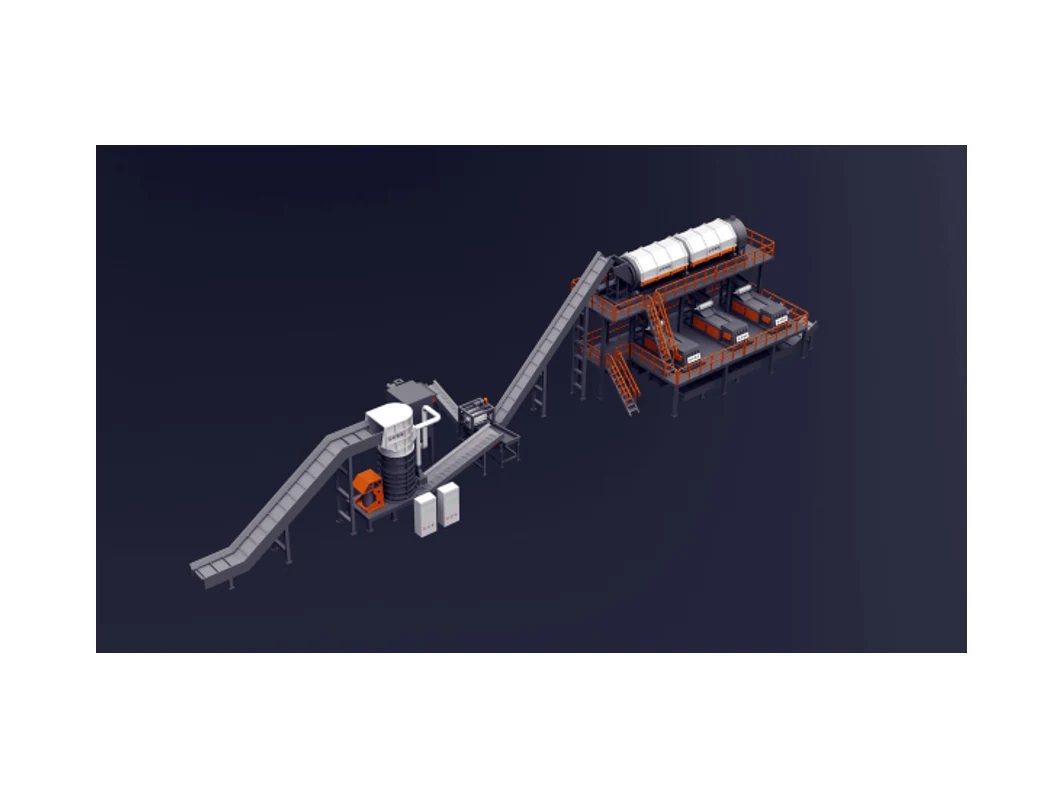
Mixed aluminium scrap arrives with steel attachments, paint, plastic and dirt. Feeding it straight to the furnace wastes energy on contamination and produces inconsistent recovery.
A relatively pure aluminium fraction ready for de-coating and melting, plus separated ferrous and residue streams that can be sold or processed separately.
How the line runs
- 01
Shredding
Dual- or single-shaft shredding reduces bulky aluminium profiles, castings and UBC bales to a size the downstream stages can handle.
- 02
Crushing
Secondary crushing frees trapped steel inserts, hinges and fittings from the aluminium body and brings the material to a uniform particle size.
- 03
Magnetic separation
Overband and drum magnets pull ferrous attachments out of the stream before non-ferrous sorting.
- 04
Screening
A trommel screen splits the flow into size fractions so each separator only sees the range it works best on.
- 05
Eddy current separation
The eddy current separator ejects aluminium and other non-ferrous metals from plastics, rubber and dust.
Machines specified for this process
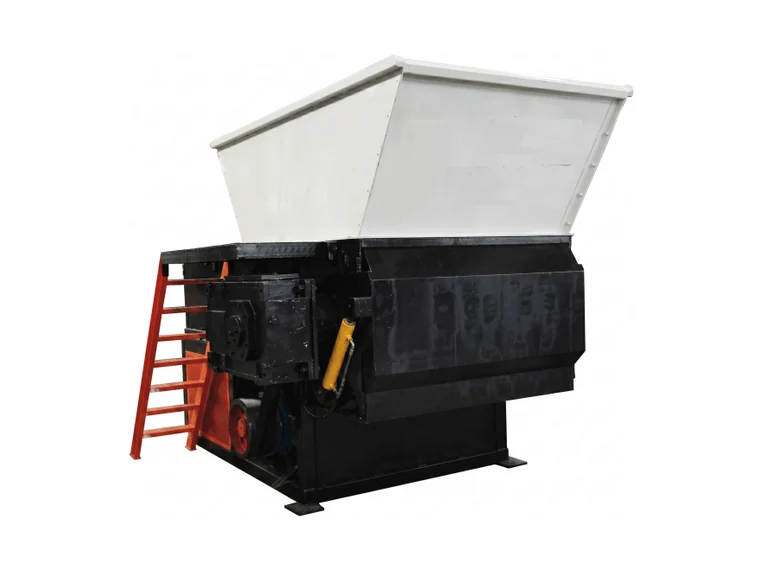
Industrial Metal Shredder
Single-, dual- and four-shaft shredders that reduce bulky metal scrap to a consistent 50–300 mm output, with anti-jam reversal and hardened blade sets.
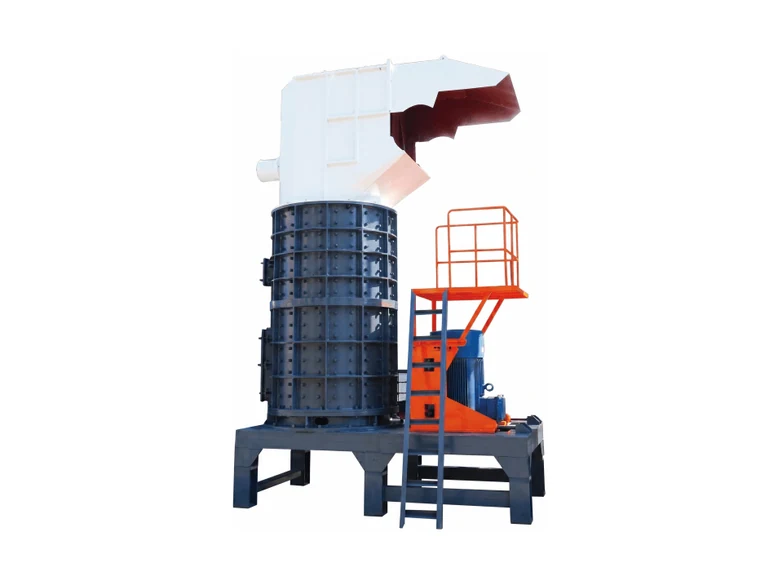
Vertical Crusher
Vertical shaft crusher for reducing crushed scrap and motor housings to a uniform, denser output before separation or baling.
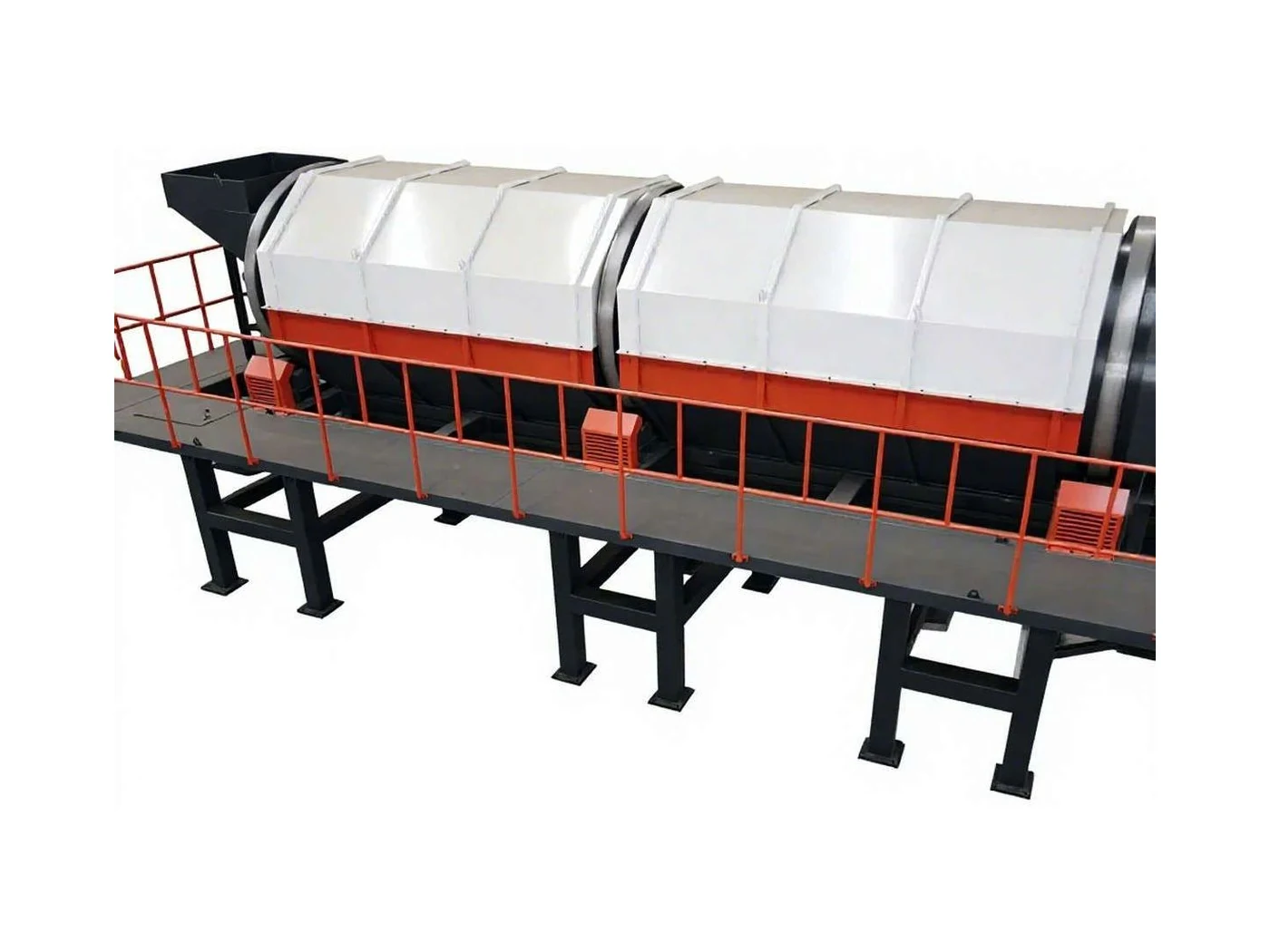
GTS Series Trommel Screen
Rotary drum screener that splits shredded scrap into size fractions before sorting, reducing downstream wear and improving separation accuracy.
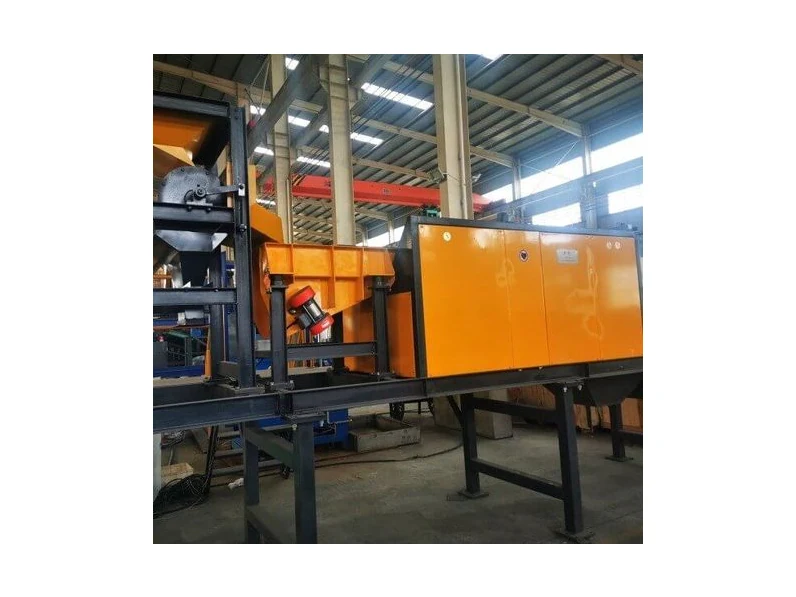
Eddy Current Separator
High-frequency rotor that ejects aluminium, copper and zinc from mixed streams, separating particles down to 3 mm at >99% aluminium recovery.
Send the material mix, get a stage sequence
We do not quote a line from a description alone. Send the composition, throughput and site constraints, and the reply will be a proposed flow with the equipment that fills each stage — and an honest note on what you can skip.
- Material test available
- Layout drawings
- On-site commissioning