
GTS Series Trommel Screen
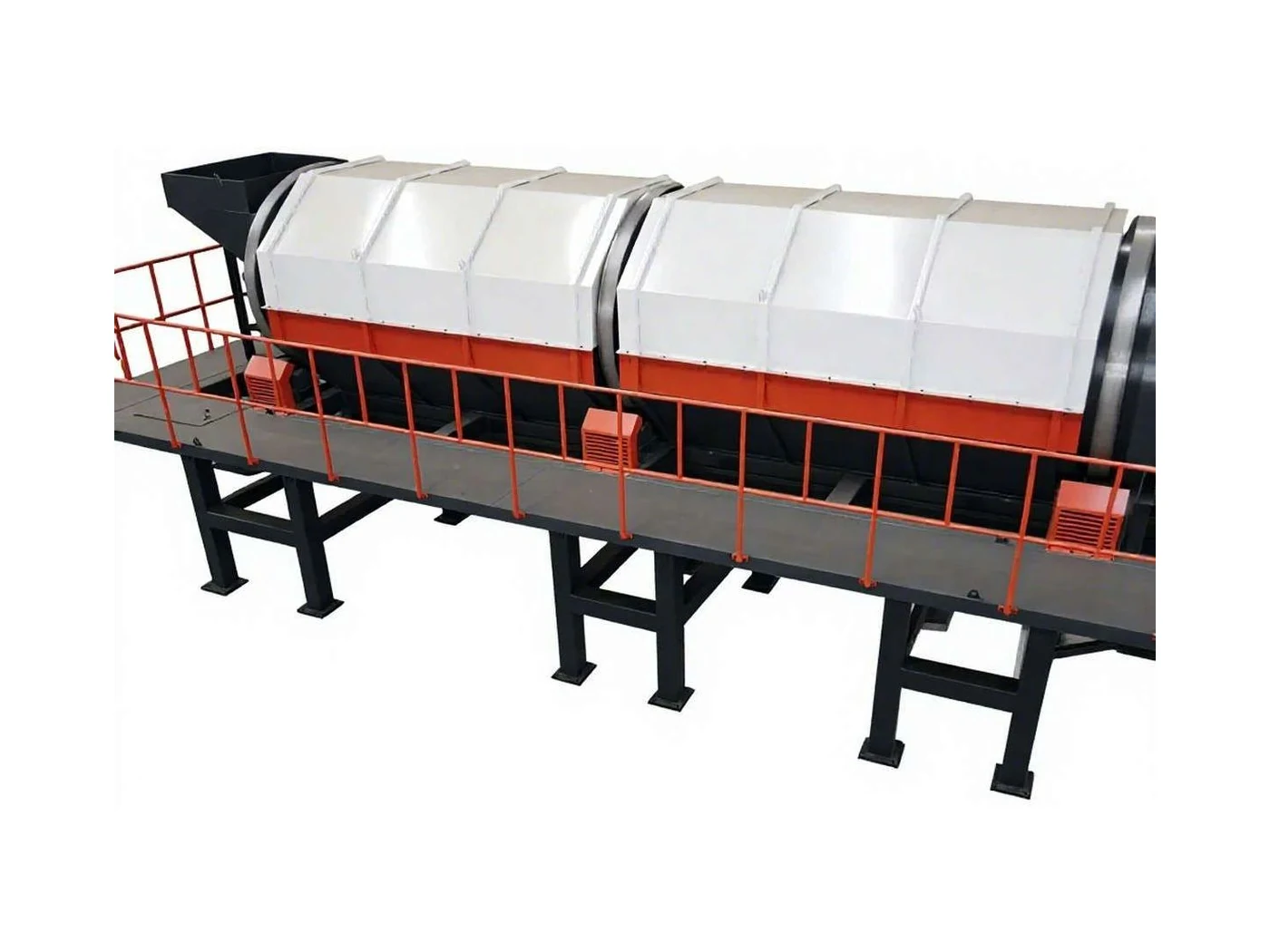
Rotary drum screener that splits shredded scrap into size fractions before sorting, reducing downstream wear and improving separation accuracy.
- Type
- Rotary drum, inclined
- Screening sections
- Single or multiple, per cut points
- Mesh
- Replaceable bolted panels, aperture to specification
- Drive
- Geared electric motor
How it works
A trommel screen sits between shredding and sorting. Material tumbles through a rotating drum, smaller particles fall through the mesh and oversized material travels to the discharge end — so each downstream separator only sees the size range it was designed for.
Running a trommel ahead of eddy current and magnetic separation is the difference between a sorting stage that works and one that keeps choking on oversize. It also takes abrasive fines out of the stream early, which reduces wear on belts, rotors and bearings further down the line.
Drum diameter, length, screen apertures and the number of screening sections are specified against your cut points, and the drum is driven through a geared motor with a replaceable, bolted screen mesh so worn panels can be changed individually.
Sorting equipment separates a mixed stream into saleable fractions using a physical property that differs between them — density, conductivity, particle size or magnetic response. The machine does not create value; it releases value that is already in the stream by moving each fraction to where it can be sold separately.
Placement in the line matters more than the machine itself. A separator fed with material that is too large, too wet or too layered will underperform regardless of its settings, which is why these units are specified against the upstream shredder or screen that prepares their feed.
Key features
- Splits shredded scrap into controlled size fractions
- Replaceable bolted mesh panels — no full drum replacement
- Geared drum drive with adjustable inclination
- Reduces oversize and abrasive fines reaching downstream separators
- Configured to your cut points rather than a fixed catalogue size
How to choose sorting and screening
- Define the split you need to sell: ferrous out, non-ferrous out, or a size cut. Each answer points at a different machine rather than a different setting.
- Check the feed preparation upstream. Separation efficiency falls away quickly if the material arriving is not sized correctly or is carrying moisture.
- Ask for the recovery figure and what it was measured on — the same machine quotes differently on prepared vs unprepared feed.
- Plan the discharge: two fractions need two conveyors or two bays, and that layout decision is usually harder than the equipment choice.
Technical data
| Type | Rotary drum, inclined |
|---|---|
| Screening sections | Single or multiple, per cut points |
| Mesh | Replaceable bolted panels, aperture to specification |
| Drive | Geared electric motor |
| Model data | Drum size and throughput quoted per project |
Typical applications
- Size classification ahead of eddy current sorting
- Municipal and commercial waste screening
- Compost and organic fraction separation
- Construction and demolition debris
Specifications are indicative for the model family and are confirmed against your material in the quotation. Wear parts, power supply and control options are listed per project.
Frequently asked questions
What power supply does the GTS Series Trommel Screen need?
Geared electric motor. Confirm the supply available on site — voltage, phases and available capacity — before the machine is configured, because the drive is built to the destination supply.
Where is the GTS Series Trommel Screen normally installed?
Typical installations: Size classification ahead of eddy current sorting; Municipal and commercial waste screening; Compost and organic fraction separation. Siting is decided by the feed arrangement and the space needed around the machine for maintenance access.
How do I get a price for the GTS Series Trommel Screen?
There is no list price — every unit is configured to the material first, because the drive, chamber or coil changes with it. Send the material you process, the throughput you need per hour and the destination port, and the quotation is built on those three.
How does an eddy current separator sort non-ferrous metal?
A fast-spinning magnetic rotor induces eddy currents in conductive particles. Those currents create a opposing magnetic field that throws the particle forward, while non-conductive material falls away normally. The result is a split between aluminium, copper and other non-ferrous metal on one side and plastic, glass and stone on the other.
What size material does a separator need?
Sorting works best on material that has already been reduced to a narrow size band — a separator cannot pick metal out of a piece that is still too large for the belt, and fines behave differently from coarse pieces. The upstream shredder or trommel defines the band the separator sees.
Often specified together
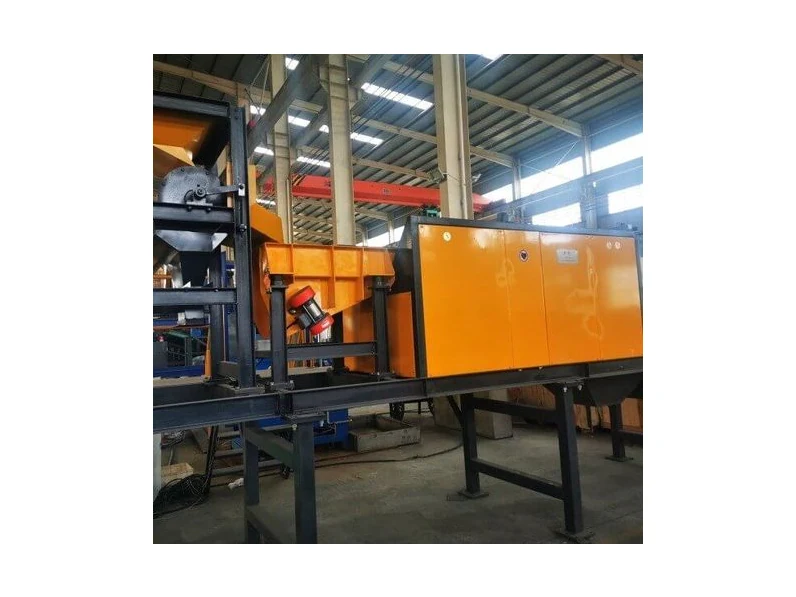
Eddy Current Separator
High-frequency rotor that ejects aluminium, copper and zinc from mixed streams, separating particles down to 3 mm at >99% aluminium recovery.
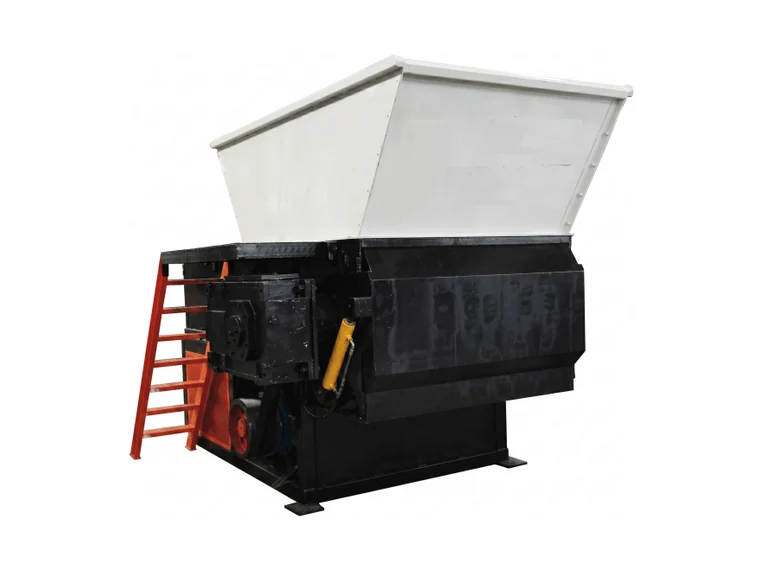
Industrial Metal Shredder
Single-, dual- and four-shaft shredders that reduce bulky metal scrap to a consistent 50–300 mm output, with anti-jam reversal and hardened blade sets.