
Forging Induction Heating Furnace
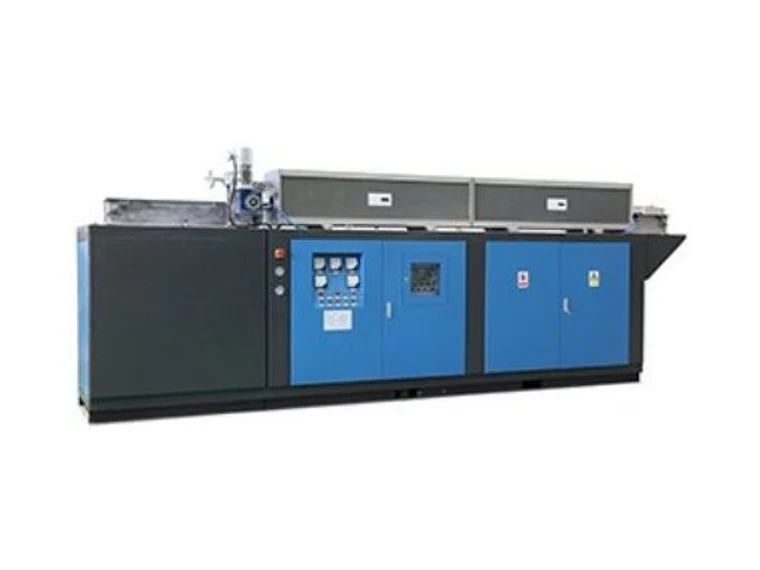
The induction heating furnace adopts advanced medium-frequency induction heating technology, which can rapidly heat various metal materials.
- Heating type
- MF Induction
- Heatable material
- Gear bearings, pipe, rod, steel bars, locally heated U-bolts
- Heating temperature
- 200-1300 degrees
- Heating speed
- According to the request
How it works
It is widely applied in metallurgy, foundry, forging, metal processing, machinery manufacturing and recycling industries. It is commonly used for metal preheating, forging heating, quenching, tempering and auxiliary heating before melting, to support high-efficiency and standardized industrial production.
Induction heating applies the same principle as induction melting to a different job: instead of reaching a pour temperature, the workpiece is brought to a controlled forging, rolling or drying temperature and held there. Because the heat is generated inside the metal, the workpiece reaches temperature in seconds to minutes rather than hours, and the surrounding area stays cool.
Control is the point of these machines. A billet that is too cold will not fill a die; one that is too hot will scale and crack. Power is modulated against the workpiece temperature so that every piece enters the next process at the same condition, which is what makes the downstream result repeatable.
Key features
- Non-contact induction heating, fast heating speed and high production efficiency
- Precise temperature control, uniform heating effect to ensure consistent workpiece quality
- Energy-saving electrothermal conversion design, low power consumption and cost-effective
- Closed heating structure, low noise, clean and eco-friendly with less pollution
- Compact structure, simple operation and convenient daily maintenance
- Complete multiple safety protection, stable for long-term continuous operation
How to choose induction heating and drying
- Define the temperature the next process needs and the mass to be heated per hour; those two figures set the power requirement.
- Choose the handling arrangement — roller feed, walking beam, or manual — because it decides how the machine fits the line.
- For drying, confirm the moisture target and the material: the goal is to drive off surface and bound water without overheating the charge.
- Plan the cooling and the electrical supply together with the furnace; these units draw continuously and are water-cooled.
Technical data
| Heating type | MF Induction |
|---|---|
| Heatable material | Gear bearings, pipe, rod, steel bars, locally heated U-bolts |
| Heating temperature | 200-1300 degrees |
| Heating speed | According to the request |
| Model | MF Power | Input Voltage | DC Current | MF Frequency |
|---|---|---|---|---|
| GTR-200 | 200kw | 3ph, 380V | 400A | 2-10KHZ |
| GTR-300 | 300kw | 3ph, 380V | 600A | 2-10KHZ |
| GTR-400 | 400kw | 3ph, 380V | 800A | 2-10KHZ |
| GTR-500 | 500kw | 3ph, 380V | 1000A | 2-10KHZ |
| GTR-800 | 800kw | 3ph, 380V | 1600A | 2-10KHZ |
| GTR-1000 | 1000kw | 3ph, 380V | 2000A | 2-10KHZ |
| GTR-1500 | 1500kw | 3ph, 380V | 3000A | 2-10KHZ |
| GTR-2000 | 2000kw | 3ph, 380V | 4000A | 2-10KHZ |
Specifications are indicative for the model family and are confirmed against your material in the quotation. Wear parts, power supply and control options are listed per project.
Frequently asked questions
Which models of the forging induction heating furnace are available?
8 configurations are listed on this page: GTR-200, GTR-300, GTR-400, GTR-500, GTR-800, GTR-1000, GTR-1500, GTR-2000. The right one is set by the throughput you need and the largest piece you will feed.
How do I get a price for the Forging Induction Heating Furnace?
There is no list price — every unit is configured to the material first, because the drive, chamber or coil changes with it. Send the material you process, the throughput you need per hour and the destination port, and the quotation is built on those three.
What is the difference between an induction melting furnace and an induction heating furnace?
Melting raises metal past its liquidus so it can be poured. Heating brings it to a controlled sub-solidus temperature for forging, rolling or drying, and holds it there. The hardware looks similar but the power control, coil design and temperature feedback serve a different purpose.
Why heat a billet by induction instead of in a furnace?
Speed and repeatability. Induction brings a billet to temperature in a fraction of the time a batch furnace needs, and it does so piece by piece, so every billet enters the press at the same condition. It also heats without a large heated chamber, which keeps the working area cooler and cuts scale.
What is induction drying used for in metal recycling?
Driving moisture out of a prepared charge before melting or briquetting. Wet scrap carries water that turns to steam in the melt and brings hydrogen into the metal; drying the charge first is how that is controlled without heating the material to any metallurgical temperature.
Often specified together
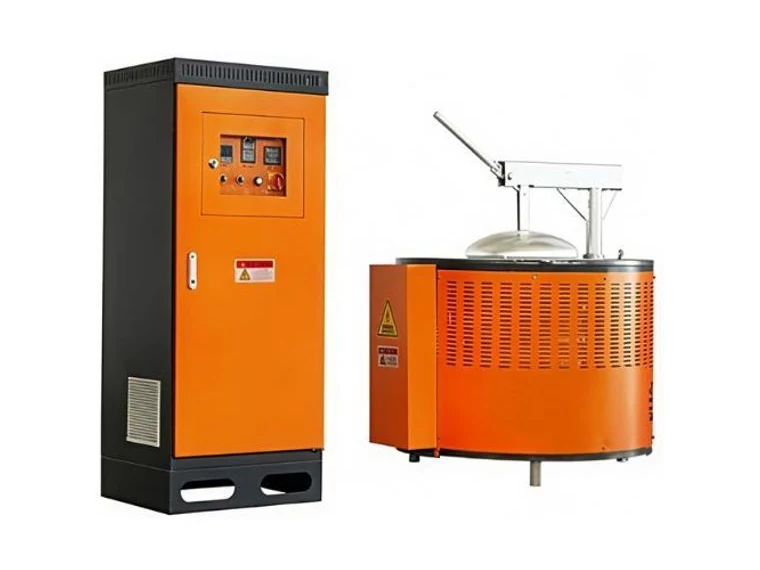
Induction Aluminum Melting Furnace
Induction Aluminum Melting Furnace is widely used for melting aluminum ingots, aluminum scraps, aluminum profiles, and various aluminum alloys.
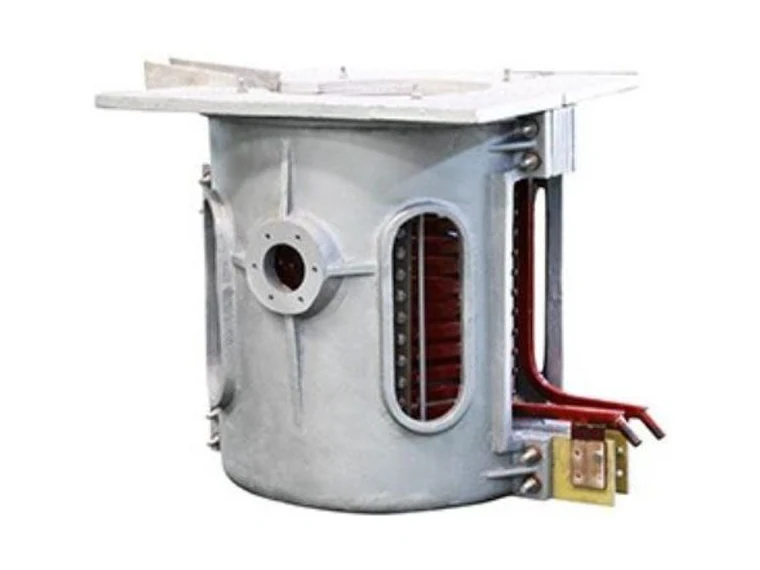
Induction Steel Melting Furnace
Induction Steel Melting Furnace adopts advanced medium-frequency induction heating technology, designed specifically for melting scrap steel.
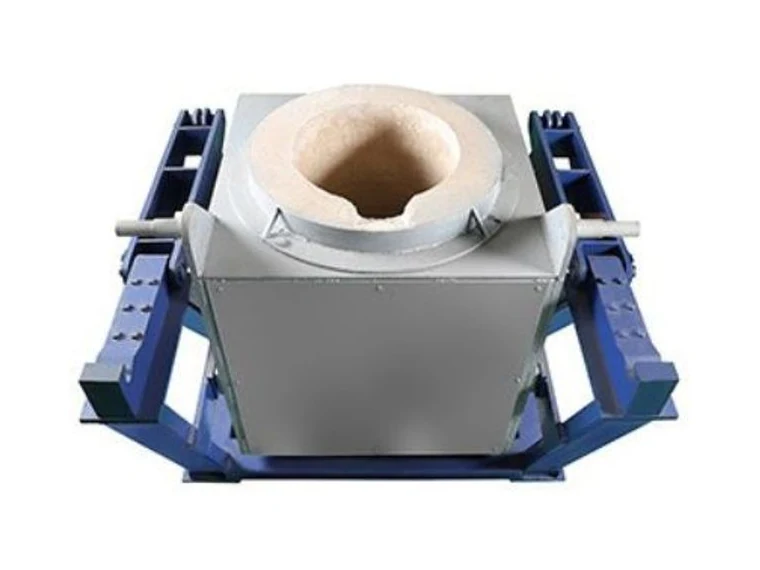
Stainless Steel Induction Melting Furnace
Stainless steel induction melting furnace adopts advanced medium-frequency induction heating technology.