
Electric Motor Rotor & Stator Crusher
The VSC1250 motor rotor and stator crusher is a specialized impact machine engineered to liberate valuable copper and aluminum windings from the iron core.
- Motor Power
- 75–110 kW
- Feed Opening
- 270 × 400 mm
- Throughput
- 1–3 t/h
- Output Size
- 10–50 mm
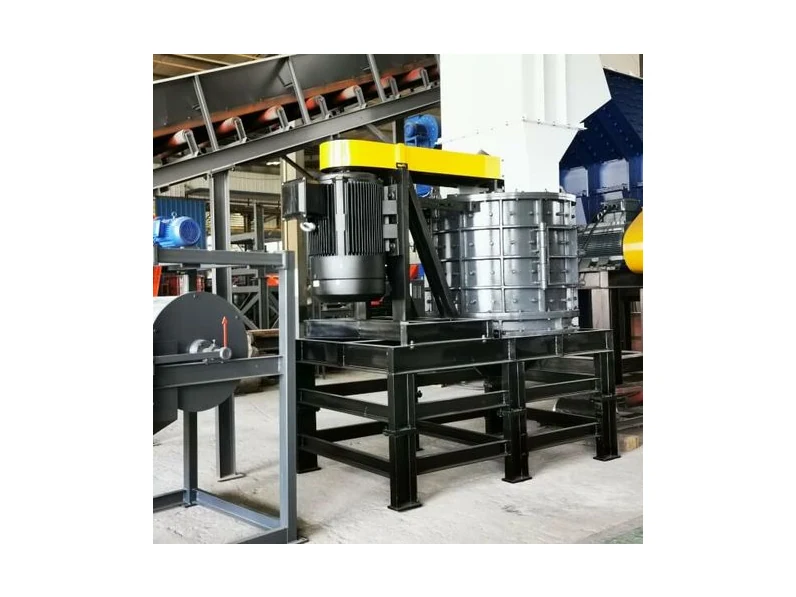
How it works
The VSC1250 separates copper and aluminum windings from the iron laminations of scrapped electric motors. Dismantling by hand is labor-intensive and slow; the machine automates the process, which raises recovery efficiency and throughput.
A crusher breaks material by impact and compression inside a chamber. Rotating hammers or blades throw the feed against fixed liners until it fractures, and a screen or grate at the discharge keeps oversize pieces in the chamber for another pass. The result is a denser, more uniform product than a shredder produces, which is why crushers sit downstream of shredding in most flows.
Chamber geometry is what makes a crusher material-specific. Aluminium profiles need a chamber that grips long sections without letting them spin; motor stators need enough clearance for the steel shell to open before the winding is released; swarf needs a chamber that will not compact the chips into a mat. This is why the same drive power appears across very different machines.
Key features
- Vertical shaft impact mechanism precisely fractures rotor/stator assemblies without destroying copper wire
- 270 × 400mm feed opening accepts motors up to 250kW frame size without pre-disassembly
- High-speed rotor (2400 RPM) creates centrifugal impact that cleanly separates windings from laminations
- Magnetic drum separator at discharge separates iron laminations from copper/aluminum
- Further ECS sorting (optional) recovers aluminum rotors separately from copper
- Compact footprint: 2.2 × 1.6 × 2.0m — container shippable, factory-floor ready
How to choose crushers and granulators
- Match the chamber to the shape of the feed: long profiles, hollow cans, enclosed motors and loose swarf each behave differently even at the same tonnage.
- Size the drive against the hardest single piece, not the average. A chamber that is right for mixed light scrap will bog down on a solid casting.
- Check the discharge arrangement — screen aperture, grate or open discharge — against the size your buyer or next machine expects.
- Ask how the chamber is opened for clearing a blockage and how the blades or hammers are changed; this is the difference between a one-hour and a one-shift job.
Technical data
| Motor Power | 75–110 kW |
|---|---|
| Feed Opening | 270 × 400 mm |
| Throughput | 1–3 t/h |
| Output Size | 10–50 mm |
| Applicable Materials | Electric motor rotors, stators, transformer cores, copper/aluminum windings |
| Recovery Metals | Copper, aluminum, silicon steel laminations |
Specifications are indicative for the model family and are confirmed against your material in the quotation. Wear parts, power supply and control options are listed per project.
Frequently asked questions
What capacity does the Electric Motor Rotor & Stator Crusher handle?
1–3 t/h. Throughput depends on the material, its bulk density and how evenly the machine is fed, so the figure is confirmed against your material in the quotation.
What power supply does the Electric Motor Rotor & Stator Crusher need?
75–110 kW. Confirm the supply available on site — voltage, phases and available capacity — before the machine is configured, because the drive is built to the destination supply.
How do I get a price for the Electric Motor Rotor & Stator Crusher?
There is no list price — every unit is configured to the material first, because the drive, chamber or coil changes with it. Send the material you process, the throughput you need per hour and the destination port, and the quotation is built on those three.
What is the difference between a crusher and a shredder?
A shredder tears material apart and tolerates mixed, bulky feed. A crusher breaks it by impact against fixed liners inside a chamber and holds it there until it is small enough to pass a screen, so the output is denser and more uniform. In a recycling line the shredder normally comes first and the crusher second.
Can one crusher handle several different materials?
It can, within limits. The chamber geometry that grips aluminium profiles is not the one that releases a motor winding cleanly, so a machine configured for one feed stream is usually kept on it. Where a plant switches materials regularly, the practical answer is a chamber with interchangeable screens and a rotor that can be re-bladed.
Often specified together
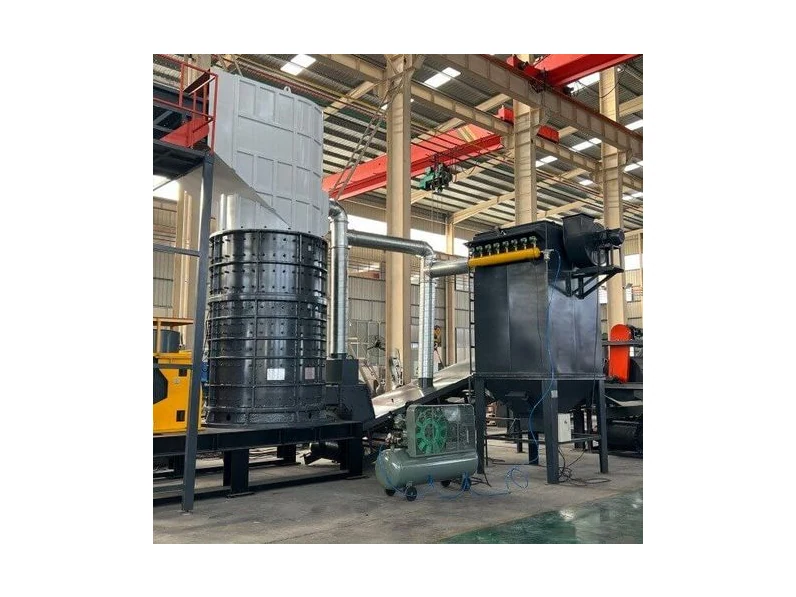
UBC Aluminum Can Shredder
The VSC41600 is our flagship high-volume UBC (Used Beverage Can) processing system, designed for large-scale aluminum can recycling operations.
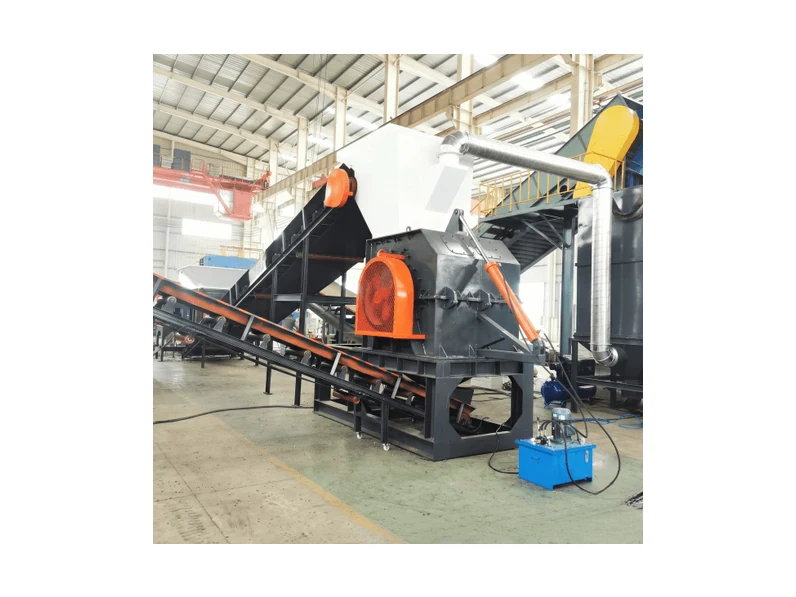
Metal Chips & Swarf Crusher
Machining centers and CNC facilities generate large volumes of metal turnings, chips and swarf — materials that in their long, tangled form are difficult to transport, weigh or charge into a furnace.
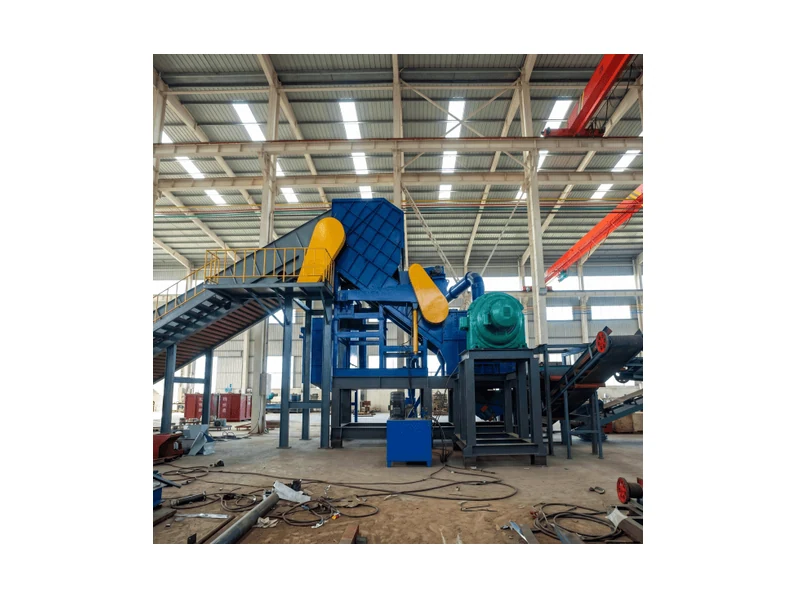
Heavy Duty Scrap Steel Shredder
The SCL600 is a high-capacity hammer mill shredder engineered for heavy-duty scrap steel processing.