
Billet Heating Furnace
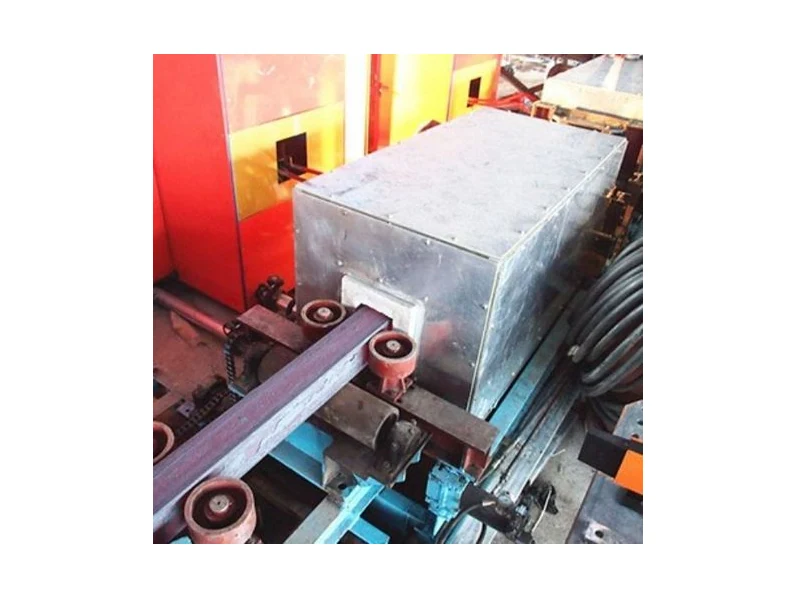
The billet heating furnace is professional industrial heating equipment specially designed for steel billets and metal ingots.
- Heating type
- MF Induction
- Heatable material
- Steel billet
- Heating temperature
- 200-1300 degrees
- Heating speed
- According to the request
How it works
It is mainly matched with rolling mill production lines, continuous casting machines and metal forging workshops. Suitable for heating carbon steel, alloy steel, stainless steel and other metal billets to uniform rolling and forging temperature. Widely used in steel plants, metal processing factories, foundries and recycled steel processing enterprises, providing stable high-temperature heating for subsequent rolling, forging and forming processes.
Induction heating applies the same principle as induction melting to a different job: instead of reaching a pour temperature, the workpiece is brought to a controlled forging, rolling or drying temperature and held there. Because the heat is generated inside the metal, the workpiece reaches temperature in seconds to minutes rather than hours, and the surrounding area stays cool.
Control is the point of these machines. A billet that is too cold will not fill a die; one that is too hot will scale and crack. Power is modulated against the workpiece temperature so that every piece enters the next process at the same condition, which is what makes the downstream result repeatable.
Key features
- Fast heating speed and uniform temperature distribution, ensuring consistent internal and external temperature of the billet to improve processing quality
- Multiple heating modes such as gas firing and electric heating are optional, with high thermal efficiency and obvious energy-saving effect
- Adopts high-temperature refractory lining and heat insulation structure, reducing heat loss and lowering operating costs
- Intelligent temperature control system realizes precise temperature adjustment, stable operation and simple daily operation
- Reasonable structural design, strong durability, easy maintenance and long service life
- Equipped with complete safety protection and exhaust treatment devices, low pollution, meeting industrial environmental protection standards
How to choose induction heating and drying
- Define the temperature the next process needs and the mass to be heated per hour; those two figures set the power requirement.
- Choose the handling arrangement — roller feed, walking beam, or manual — because it decides how the machine fits the line.
- For drying, confirm the moisture target and the material: the goal is to drive off surface and bound water without overheating the charge.
- Plan the cooling and the electrical supply together with the furnace; these units draw continuously and are water-cooled.
Technical data
| Heating type | MF Induction |
|---|---|
| Heatable material | Steel billet |
| Heating temperature | 200-1300 degrees |
| Heating speed | According to the request |
| Model | MF Power | Input Voltage | DC Current | MF Frequency |
|---|---|---|---|---|
| KGPS-400 | 400kw | 380V | 800A | 1KHZ |
| KGPS-500 | 500kw | 380V | 1000A | 1KHZ |
| KGPS-750 | 750kw | 380V, 660V | 1500A, 850A | 0.8KHZ |
| KGPS 1000 | 1000kw | 380V, 660V | 2000A, 1140A | 0.8KHZ |
| KGPS-1500 | 1500kw | 380V, 660V | 3000A, 1700A | 0.5KHZ |
| KGPS-2000 | 2000kw | 660V, 1250V | 2273A, 1212A | 0.5KHZ |
| KGPS-2500 | 2500kw | 660V, 1250V | 2840A, 1515A | 0.5KHZ |
| KGPS-3500 | 3000kw | 660V, 1250V | 4000A, 2100A | 0.5KHZ |
Specifications are indicative for the model family and are confirmed against your material in the quotation. Wear parts, power supply and control options are listed per project.
Frequently asked questions
Which models of the billet heating furnace are available?
8 configurations are listed on this page: KGPS-400, KGPS-500, KGPS-750, KGPS 1000, KGPS-1500, KGPS-2000, KGPS-2500, KGPS-3500. The right one is set by the throughput you need and the largest piece you will feed.
How do I get a price for the Billet Heating Furnace?
There is no list price — every unit is configured to the material first, because the drive, chamber or coil changes with it. Send the material you process, the throughput you need per hour and the destination port, and the quotation is built on those three.
What is the difference between an induction melting furnace and an induction heating furnace?
Melting raises metal past its liquidus so it can be poured. Heating brings it to a controlled sub-solidus temperature for forging, rolling or drying, and holds it there. The hardware looks similar but the power control, coil design and temperature feedback serve a different purpose.
Why heat a billet by induction instead of in a furnace?
Speed and repeatability. Induction brings a billet to temperature in a fraction of the time a batch furnace needs, and it does so piece by piece, so every billet enters the press at the same condition. It also heats without a large heated chamber, which keeps the working area cooler and cuts scale.
What is induction drying used for in metal recycling?
Driving moisture out of a prepared charge before melting or briquetting. Wet scrap carries water that turns to steam in the melt and brings hydrogen into the metal; drying the charge first is how that is controlled without heating the material to any metallurgical temperature.
Often specified together
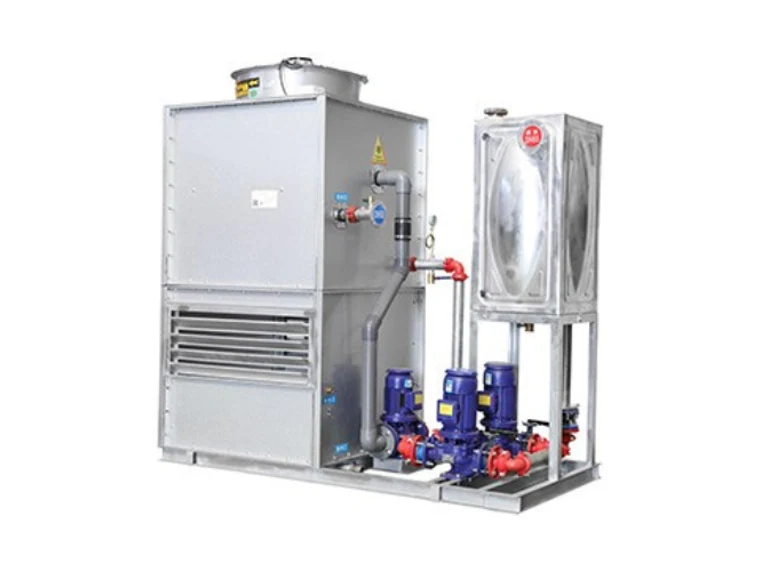
Closed Water Cooling Tower
Closed water cooling tower is a high-efficiency closed-loop cooling equipment, adopting fully enclosed circulating water design.
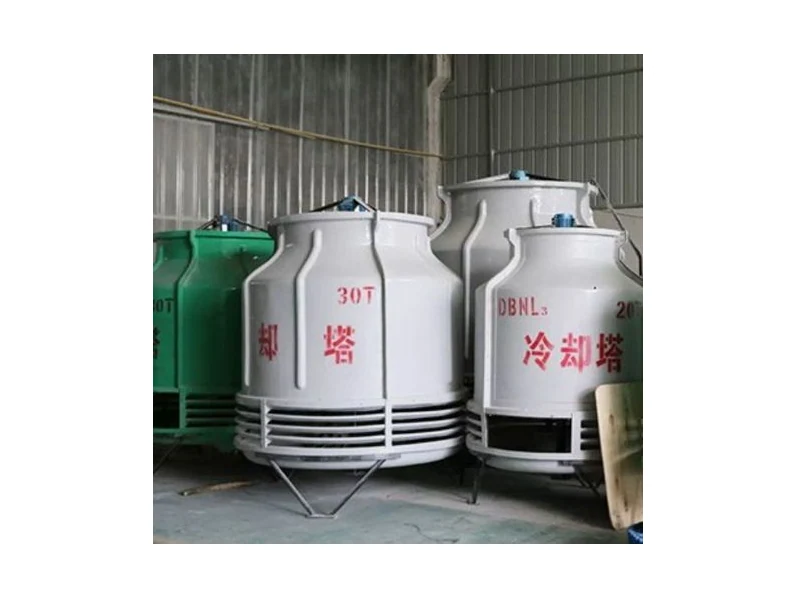
Open Water Cooling Tower
The open water cooling tower is a traditional and high-efficiency evaporative cooling equipment with open circulating water design.
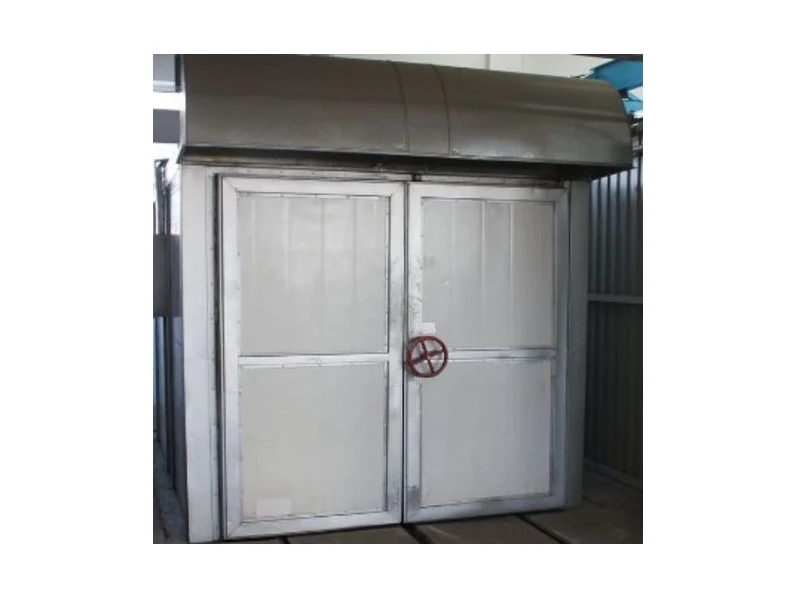
Induction Drying Furnace
The induction drying furnace utilizes advanced induction heating technology to achieve uniform and rapid drying and dehumidification.